
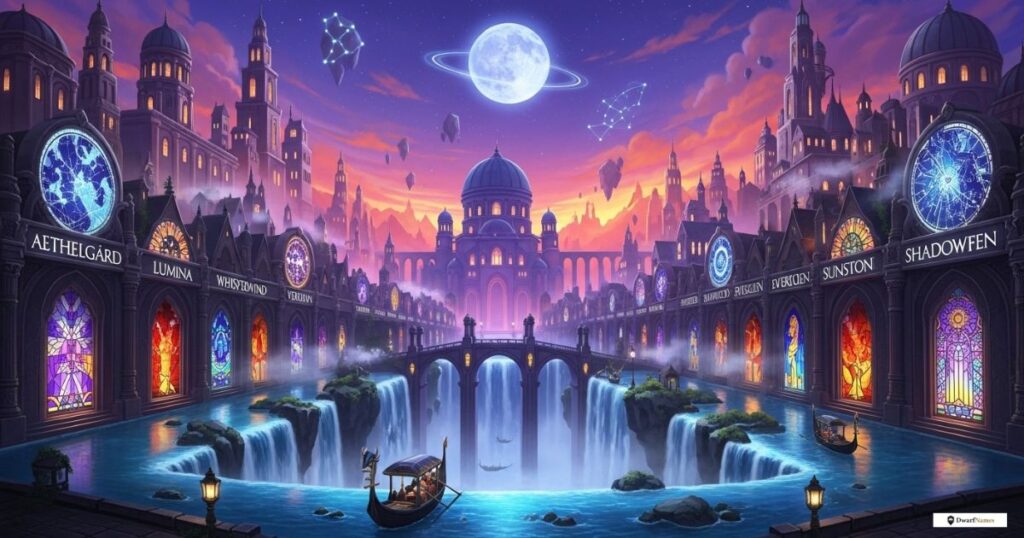

Every great fantasy world begins with a name. Before the first hero sets foot on cobblestone streets, before the first torch is lit in a grand hall, before the first war is written into legend — there is a city. And that city needs a name worthy of its story.
City names are the heartbeat of worldbuilding. They whisper the culture of their people, hint at their history, and shape how readers and players feel the moment they arrive. A name like Eldenmoor invokes ancient fog and forgotten kings. Vaelthoryn suggests high spires and elven whispers. Duskwall sounds like somewhere dangerous and breathtakingly alive. The right city name doesn’t just label a place — it summons it.
Whether you’re a novelist crafting an epic saga, a dungeon master building a campaign from scratch, or a game developer designing the next great open world, city names matter more than most people realize. Readers and players form emotional bonds with places just as much as with characters. Think of Minas Tirith, Ankh-Morpork, or Neverwinter — these cities live in our imaginations because their names carried power before we ever stepped inside their gates.
This guide offers over 400 magical and unique city names sorted by category, theme, and tone — along with worldbuilding lore, naming traditions, and inspiration drawn from the greatest fantasy works ever written. Use them freely in your writing, your tabletop campaigns, and your game worlds.
Famous Fantasy Cities From Literature & Games
Before diving into the full name lists, let’s draw inspiration from the masters of city-naming. These iconic places show how a city’s name can shape its entire identity.
Minas Tirith (The Lord of the Rings) — Tolkien’s great white city is named in Sindarin, meaning “Tower of Guard.” The name is architectural before you even see the city — tiered, watchful, enduring. It is the name of a civilization choosing to stand rather than fall.
Ankh-Morpork (Discworld) — Terry Pratchett’s masterwork of comedic worldbuilding. The name is guttural, strange, and oddly rhythmic. It blends river-name logic with something almost tribal. It sounds exactly like a city too busy and too alive to care about elegance.
Menzoberranzan (Forgotten Realms) — The legendary underdark city of the drow is as dark and tangled as the name itself. Long, layered, and hissing with sibilance, it sounds like a place of whispered intrigues and spider-silk politics. If you love names in that vein, exploring DnD drow names will give you a whole vocabulary to build from.
Ravnica (Magic: The Gathering / D&D) — Short, punchy, ancient-feeling. Ravnica sounds like a city that has existed since before memory, a place of guild politics and layered stone. Its brevity gives it authority.
What these names share is intentionality. Each one reflects the culture, the geography, and the soul of its people. That’s what we’re building toward.
Mystical & Ethereal City Names
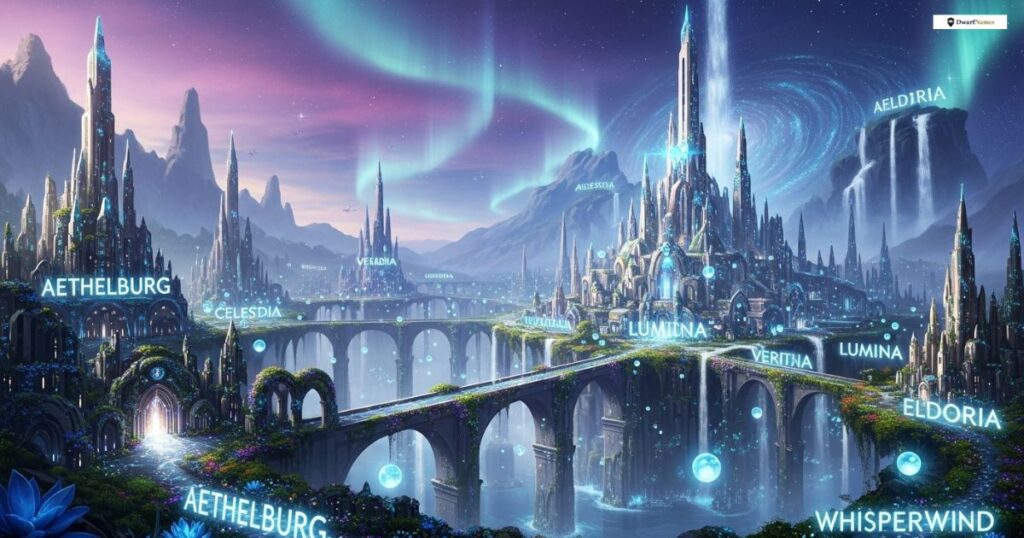
These names evoke wonder, magic, and a sense that the veil between worlds is thin here. Perfect for cities of mages, temples to forgotten gods, or floating islands above the clouds.
- Aelindra
- Vaelthoryn
- Solmyra
- Illysvane
- Etheremoor
- Lumivex
- Caelindris
- Zephyrveil
- Aurowyn
- Mirethis
- Vesperdawn
- Orvindel
- Sylphara
- Luminastry
- Ashenveil
- Celyndor
- Prismare
- Evansyre
- Glasshollow
- Moonwhisper
- Sildravane
- Crysthalm
- Thornmyst
- Opalindra
- Starhollow
- Verdenmist
- Aluvara
- Crestmyra
- Iriswyn
- Silvandrel
Dark & Brooding City Names
These are cities with weight. Places where deals are made in shadow, where the architecture looms, and where history bleeds through the walls. Ideal for thieves’ guilds, cursed capitals, and empires built on conquest.
- Duskwall
- Morvenspire
- Ashgate
- Grimthorn
- Blackveil
- Vexmoor
- Raventide
- Sepulchorn
- Darkenfold
- Wraithend
- Brimstone Hollow
- Dreadfall
- Ashenmark
- Cragmourn
- Shadowfen
- Emberblight
- Thornvast
- Wraithspire
- Duskmourn
- Gloomhaven
- Skullmere
- Bleakstone
- Nighthollow
- Cinderveil
- Oblivance
- Grimward
- Rothenspire
- Bloodmoor
- Duskhallow
- Ironblight
Ancient & Timeless City Names
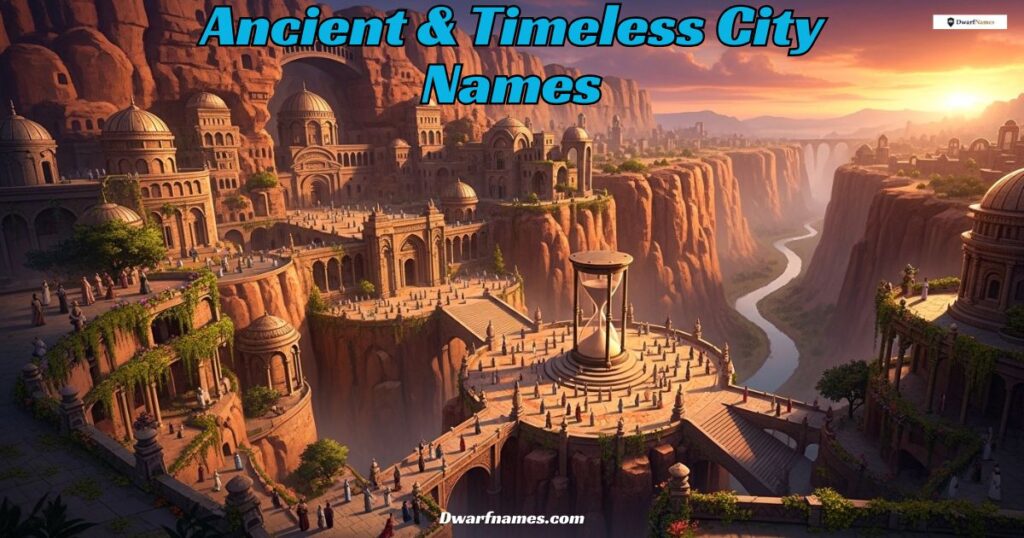
These names carry the weight of centuries. They sound like they were carved into stone before history was recorded. Ideal for ruins, lost empires, or surviving cities of immense age. If you’re also building the people who live in such places, dwarf names are full of that same ancient resonance.
- Elaryndis
- Valdoreth
- Threnmorath
- Solvarek
- Ardenmis
- Korvanthal
- Oryndrel
- Solanthuris
- Vaeltharion
- Bramondis
- Sethvarun
- Tyranthor
- Illuvaris
- Sondralath
- Caldorvex
- Ardumvael
- Morthendis
- Kelvanthar
- Brelindor
- Zeltharion
- Emundaval
- Grothendis
- Valdremis
- Corthavael
- Sundorvik
- Ardathal
- Korvindrel
- Brenthavael
- Eldenmist
- Tyrenmoor
Coastal & Maritime City Names
Sea-touched names for port cities, pirate havens, and island kingdoms where salt air and adventure are inseparable. These names carry the rhythm of waves and the call of distant shores.
- Tidesreach
- Coralspire
- Saltvane
- Stormhallow
- Wavecrest
- Seahaven
- Driftveil
- Brinefall
- Marisvane
- Coralmoor
- Tempestwick
- Riftshore
- Sandmourn
- Harborfall
- Sealgrave
- Dawnport
- Brackenhaven
- Surgehallow
- Islevane
- Pelargast
- Mistshore
- Foamhaven
- Tideveil
- Stormharbor
- Salthallow
- Shimmerport
- Reefwatch
- Cresttide
- Brinewatch
- Deepmarrow
Mountain & Highland City Names
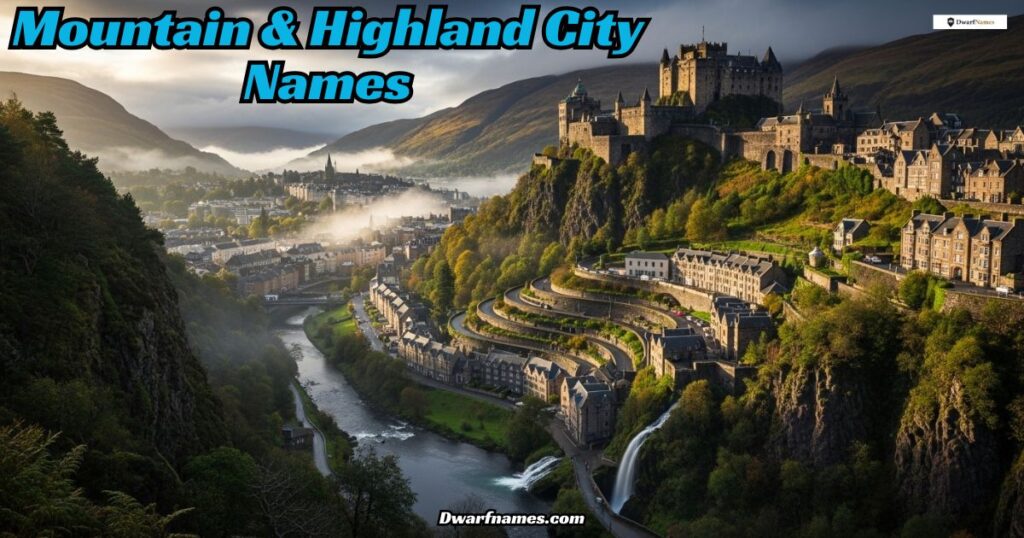
Carved into cliff faces, perched on impossible peaks, or nestled in hidden highland valleys — these names feel immovable and proud. They suit dwarven strongholds, mountain kingdoms, and fortresses of stone. For additional inspiration, browsing barbarian names reveals the rough-hewn power of highland culture.
- Stormcrag
- Ironpeak
- Stonehallow
- Frostridge
- Graniteveil
- Ashcrag
- Boulderfen
- Highkeep
- Grimstone
- Frostmere
- Ironvale
- Stonecroft
- Cliffwatch
- Gravelholm
- Highspire
- Rockmourn
- Frostspire
- Battlecrag
- Ironhollow
- Peakgate
- Greystone
- Stonebreach
- Highwatch
- Ironward
- Duskpeak
- Frosthaven
- Gritstone
- Thornpeak
- Cragveil
- Stonemark
Forest & Wildwood City Names
Hidden in ancient groves, crowned by canopy, and built between roots older than memory — these names breathe with green life and wild magic. They suit elven settlements, druidic sanctuaries, and nature-worshipping civilizations. Pair these with half-elf names for characters who bridge two worlds.
- Verdenmoor
- Ashgrove
- Thornwick
- Willowfen
- Greenveil
- Mossgate
- Roothollow
- Fernshadow
- Oakenshade
- Briarwatch
- Elmhaven
- Leafspire
- Willowmere
- Thornvale
- Verdantis
- Mirefen
- Ivymoor
- Greenfall
- Mosshaven
- Bramblevast
- Fernmist
- Willowspire
- Crestgrove
- Deeproot
- Oakmourn
- Barkholm
- Thornhaven
- Verdwick
- Ashholm
- Briarfen
Royal & Noble City Names
These are capitals and seats of power — names that feel like they should be spoken with reverence or whispered with awe. Cities that host golden thrones, royal courts, and the grand pageantry of empire. If you’re creating the royal families who rule them, royal names is an essential companion.
- Auranthal
- Goldspire
- Crownmere
- Imperathis
- Regalvane
- Sovereignhall
- Majestholm
- Thronewatch
- Glorindrel
- Sceptremark
- Aurenvael
- Noblecrest
- Crownwatch
- Imperaltis
- Regalmoor
- Diademmere
- Glorvandis
- Sceptreval
- Auralindra
- Crownspire
- Throneholm
- Imperathon
- Regalcroft
- Glormark
- Sceptrevale
- Aurewatch
- Crownfold
- Imperavane
- Noblespire
- Goldmourn
Ruins & Lost City Names
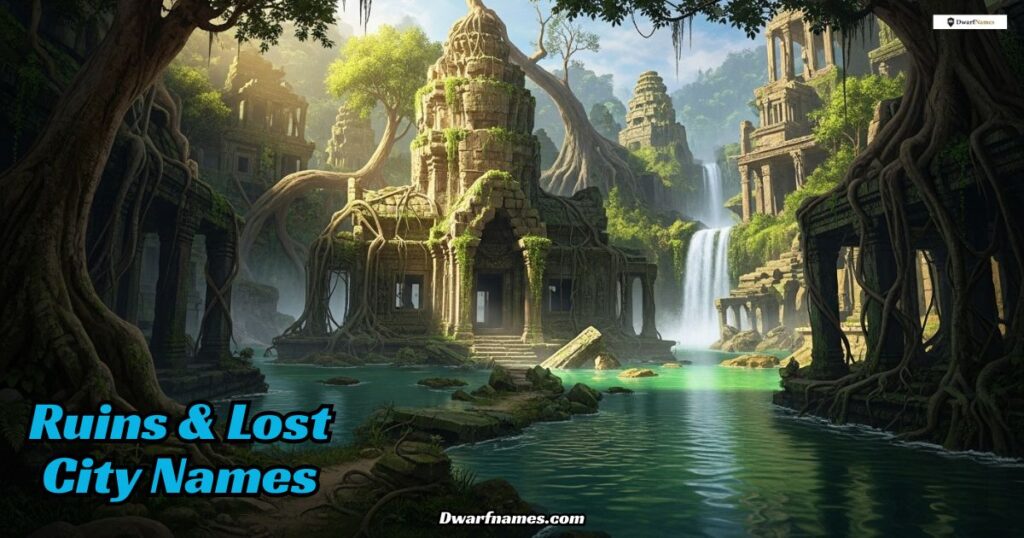
Abandoned places, shattered empires, and cities that exist now only in maps and memory. These names carry a haunting beauty — they sound like something was here, and now it’s gone. If you’re also building the small towns people live in after such civilizations collapse, village names and town names offer grounded contrast.
- Ashenvale
- Sunderfall
- Lostmere
- Forgottenspire
- Crackedholm
- Shatterveil
- Silentmoor
- Tombwatch
- Echohaven
- Ruinmark
- Dustfall
- Ghostspire
- Emberfold
- Shadenmoor
- Whispergate
- Silentvale
- Crumblecroft
- Hollowstone
- Ashwatch
- Gravemoor
- Forgottenvale
- Dustmourn
- Echofall
- Shadowmark
- Ruinveil
- Ashenwatch
- Crumblespire
- Hollowmoor
- Ghostwatch
- Silentward
Desert & Arid City Names
Sun-scorched, wind-carved, and ancient as the dunes — these names suit cities of merchants, nomads, and buried treasure. They carry heat in their syllables and mystery in their shadows. Cities of this kind often host the most fascinating elemental beings; DnD genasi names can help you populate such a world.
- Sandmere
- Duskdune
- Scorchholm
- Ashveil
- Sunmark
- Dustwatch
- Mirageshard
- Burnward
- Sandmourn
- Heatshard
- Dunegate
- Ashspire
- Scorchveil
- Sandhollow
- Solarmere
- Blazecroft
- Dustholm
- Burnspire
- Mirevane
- Scorchmark
- Dunemourn
- Ashgate
- Sandwatch
- Heatveil
- Solarward
- Blazemark
- Dustspire
- Burnhollow
- Miremark
- Scorchcroft
Arcane & Scholar City Names
Cities of knowledge, towers of study, academies of magic, and libraries that contain the collected wisdom of ages. These names feel like they belong to places where the air hums with spells and every street hides a discovery.
- Spellhaven
- Arcandrel
- Lorewatch
- Mystivane
- Runemoor
- Grimoire Falls
- Incantis
- Spellmark
- Lorespire
- Runeveil
- Arcanholm
- Mystwatch
- Glyphward
- Scrollmourn
- Enchantfold
- Spellcroft
- Loregate
- Runewatch
- Incantivale
- Arcandis
- Glyphhaven
- Scrollspire
- Enchantmoor
- Mystmark
- Spellveil
- Lorehallow
- Runemark
- Arcanvale
- Glyphspire
- Scrollwatch
Worldbuilding Lore: How Fantasy Cities Get Their Names
In every living world, city names don’t appear from nowhere. They grow from the soil of culture, disaster, geography, and legend. Understanding naming traditions helps you build cities that feel earned rather than invented.
Named for Geography: The most common form across all fantasy traditions. A city near a broken cliff becomes Crackspire. One at the mouth of a great river becomes Tidesreach. These names are immediate, intuitive, and grounded.
Named for Founders or Conquerors: Cities named after legendary figures carry ego and history in equal measure. Valdoreth might be the city of Valdor, a king who drove back the first darkness. Or a corrupted name that no one pronounces correctly anymore — which is its own kind of story.
Named for Events: A city built over a battlefield might be called Bloodmoor or Greyfall. One founded in the aftermath of a magical explosion might bear the name Arcandrel — “where the sky split.” Event-based names carry implied backstory that enriches every conversation.
Named in Ancient Tongues: High fantasy worlds often have constructed languages whose words bleed into place names. The elvish -wyn suffix suggests grace and flow. Dwarven roots like -holm and -crag suggest permanence and stone. Troll-derived syllables like grak and vurk suggest something older and more dangerous — if you’re building those cultures, troll names offer excellent phonetic texture.
Dual-Part Names: Many of the most evocative fantasy city names use two-part compounds that each carry meaning: Dusk + Wall, Storm + Crag, Ember + Fold. The compound creates a mental image instantly — and each half hints at a history.
Bonus: Fantasy City District & Landmark Names
Great cities aren’t just named — they’re detailed. Here are 40 compound names for city districts, quarters, and famous landmarks within your settlements. These also double as smaller settlement names or neighborhood titles.
- Irongate Quarter
- Ashenmere Docks
- Sable Crown Ward
- The Lanternmark
- Vaultspire Row
- Thornwater Crossing
- Gloomhaven Bridge
- Crimson Stair District
- Greywatch Tower
- The Silkenveil
- Emberfall Market
- Dawnward Gate
- Hollow Crown Alley
- Stoneblood Square
- The Runevault
- Mistward Rise
- Shadenglass Pier
- Coppermark Quarter
- Ashfold Causeway
- The Spiremark
- Ironveil Crossing
- Coldwatch Lane
- Thornspire Heights
- The Wraithdoor
- Bloodstone Terrace
- Evenfall Row
- Gildenvane District
- Sundermark Quay
- Coldgrip Hollow
- The Forgemark
- Ashencourt Ward
- Grimshadow Stair
- Emberveil Gate
- Dusthollow Walk
- The Dawnmark
- Ironwhisper Row
- Coldstone Ward
- Runemark Passage
- Ashenveil Bridge
- The Loreward
Crafting Your Own City Names: A Worldbuilder’s Method
Once you’ve absorbed the names above, you’ll start to notice patterns you can use to build your own. Here’s a simple framework.
Start with tone. Is your city dark, luminous, ancient, mercantile, magical, or wild? Choose a root word that matches: shadow, gold, storm, stone, ember, mist, thorn, rune.
Add a suffix that suggests place: -haven, -moor, -spire, -holm, -veil, -watch, -gate, -croft, -vale.
Consider the middle. Sometimes a city name needs a connecting syllable or a cultural prefix that implies language: Van-, Or-, El-, Vel-, Kol-, Ash-, Sol-.
Build in mystery. The best names suggest more than they explain. Whispergate doesn’t tell you what was whispered — it makes you want to know. That tension between information and mystery is the engine of great names.
If you’re building surnames for the noble families and guild leaders of your city, fantasy surnames and last name ideas are invaluable resources for rounding out your world’s population. And if you need names for the creatures, mounts, and companions that inhabit your cities’ stables and menageries, animal names offers a surprising amount of fantasy-flavored inspiration.
Conclusion: Name the World Into Being
A city without a name is just a place. A city with the right name becomes a legend.
Every name on this list is a door. Behind it is a world waiting to be written, a dungeon waiting to be mapped, a campaign waiting to begin. The greatest stories in fantasy literature — from Tolkien’s Middle-earth to Le Guin’s Earthsea — were built one named place at a time, each name carrying the weight of culture, history, and imagination.
So take these names and make them yours. Change a letter, blend two together, strip them down to a single syllable or stretch them into something vast and ancient. Put them on your maps, write them in your first chapters, announce them at your table when your players finally arrive at the gates.
Because somewhere in this list — or in the name you’ll build from its influence — is the city where your greatest story begins.
Now go name your world.
FAQ’s