
Deep in the tunnels beneath ancient mountains, in caverns lit by glowing fungi and the distant shimmer of dragon-hoards, a creature scurries through the dark with sharp eyes and a sharper mind. The kobold is one of Dungeons and Dragons’ most beloved and misunderstood races. Small in stature but enormous in spirit, these scaly, cunning humanoids have carved a permanent place in the hearts of dungeon masters, players, and fantasy writers alike. Whether your kobold is a trap-building genius, a devoted draconic cultist, or an unlikely hero navigating a world built for larger creatures, one thing is certain: they deserve a name that fits their story.
Names in fantasy storytelling are more than labels. They are identity. A kobold named Skrix tells a very different tale than one called Velithari. The sounds, syllables, and rhythm of a name shape how other characters perceive your creation and how deeply you connect with them yourself. In tabletop RPGs, a well-chosen name can transform an NPC from a forgettable encounter into a fan-favorite character that lives on in campaign lore for years.
Kobolds occupy a fascinating cultural niche in most fantasy settings. They are tribal, resourceful, and fiercely loyal to their dragon masters or clan leaders. Their naming traditions reflect this duality: short and functional names serve the warrior tunnelers, while longer, more elaborate titles emerge among shamans, chieftains, and those born under auspicious omens. Understanding this layer of culture gives every name you choose a deeper resonance.
This guide brings you over 300 DnD kobold names organized by theme, gender, personality, and lore. Whether you are crafting a player character, populating a dungeon, or building a kobold settlement for your worldbuilding project, you will find the perfect name here. Read on to discover the richness of kobold naming culture and the names that breathe life into these remarkable creatures.
Famous Kobold Names From Literature and Games
Before diving into the full name lists, it helps to look at the kobolds who have already left a mark on fantasy culture. These characters demonstrate how a name can encapsulate an entire personality.
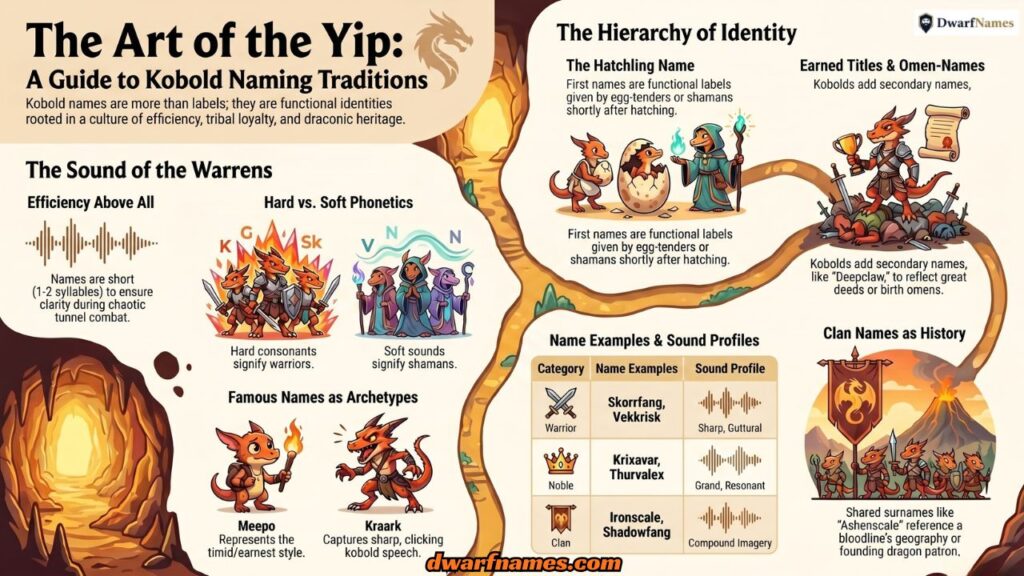
Meepo is perhaps the most beloved kobold in all of DnD history, appearing in the classic adventure module “The Sunless Citadel.” Meepo is the keeper of the Gulthias dragon wyrmling and becomes a surprisingly emotional, loyal companion to adventurers who treat him with kindness. His name is soft and almost comedic, reflecting his timid yet earnest nature. Meepo has inspired countless players to approach kobolds with empathy rather than simply as cannon fodder.
Deekin Scalesinger from the Neverwinter Nights video game franchise is a kobold bard whose name carries musical lilt. Deekin is enthusiastic, creative, and surprisingly wise. His name ends in the familiar “-kin” suffix common in kobold nomenclature, and “Scalesinger” as a clan name beautifully captures his artistic calling. He remains one of the most memorable non-human companions in CRPGs.
Ysdrian the Scaled appears in several homebrew settings and fan fiction as a kobold chieftain whose name carries gravitas despite his small frame. Names like Ysdrian push against the assumption that kobolds must have simple, guttural names, reminding worldbuilders that kobold culture can be as complex and layered as any other.
Kraark shows up in various campaign logs as a chaotic, trap-obsessed engineer whose three-consonant, one-vowel name captures the sharp, clicking quality of kobold speech. Short names like Kraark are practical, memorable, and feel authentically kobold.
These characters show how names reflect personality, culture, and narrative role. With that inspiration in mind, explore the full collection of DnD kobold names below.
Male Kobold Names
Male kobolds tend to favor names with sharp consonants and quick syllables, reflecting the clipped, efficient communication style of a race that values speed and practicality. These names work beautifully for warriors, engineers, scholars, and everything in between.
- Skrix
- Vekk
- Durb
- Razzik
- Thorp
- Gribnax
- Yelk
- Drizzik
- Korvu
- Sleth
- Nazzar
- Breek
- Turvak
- Skeel
- Grixnor
- Dorvel
- Ruppik
- Skazzle
- Vurrn
- Thekk
- Gorlix
- Nurbak
- Dezrik
- Skorrn
- Vrezzik
- Thelk
- Ruxval
- Gazzar
- Dorrith
- Skreel
- Kruzzik
- Brixk
- Nolthak
- Yellix
- Durrix
- Skavven
- Rethnik
- Vazzar
- Grizzek
- Tholvar
Female Kobold Names
Female kobolds are often the shamans, egg-tenders, and strategists of their clans. Their names tend to carry slightly more vowel-rich or melodic qualities compared to their male counterparts, though they remain firmly in the kobold tradition of efficiency. If you enjoy exploring other fantasy naming traditions, you might also find inspiration among unique DnD Kenku names for a similarly bird-adjacent, tribal feel.
- Sizzra
- Velithari
- Drixxi
- Norva
- Skella
- Yizzle
- Trixsara
- Durvi
- Rezzine
- Shrixxa
- Kella
- Dorbri
- Vixni
- Skellara
- Nurzi
- Grizziva
- Yellara
- Skritza
- Thelliva
- Drezzia
- Vorrna
- Nixkra
- Skivvara
- Ruthni
- Brizzala
- Korriva
- Nulthara
- Yellixi
- Drikkara
- Skezzla
- Turriva
- Vixkara
- Norbellia
- Shrizzika
- Dorritha
- Nazzriva
- Velska
- Grikkara
- Thellixa
- Durriva
Cool and Unique Kobold Names
Some kobolds stand apart from the crowd. Maybe they survived a disaster that destroyed their clan, maybe they were raised by a different culture, or maybe they simply possess an unusual spark that sets them apart. These cool and unique DnD kobold names capture that distinctiveness with flair.
- Azrikketh
- Vorvael
- Skrynthis
- Nullibrix
- Drazikoth
- Xelvirra
- Thysskrix
- Vrennavar
- Ozzilek
- Skullgryn
- Naevrix
- Drythkara
- Zerrikvel
- Xavviskrix
- Quorriketh
- Brazzilvar
- Theskavar
- Nyrrixel
- Dolvrikka
- Skrythavel
- Vexilkran
- Norziketh
- Thulvrixk
- Brixkavar
- Skennivrix
Warrior and Badass Kobold Names
Not every kobold hides in the tunnels. Some charge forward with spear raised, eyes blazing, carrying names that sound like battle cries. These strong kobold names belong to fighters, champions, pit-warriors, and the legends whispered around clan fires. Just as fierce names define warriors in any culture, you can draw additional inspiration from powerful DnD Orc names if you want to explore how strength shapes fantasy nomenclature.
- Skorrfang
- Vekkrisk
- Grazzork
- Thurvak
- Skullrix
- Drazgorn
- Brakkrix
- Vorrnak
- Skorzak
- Grixkaan
- Thorrvel
- Nazkrix
- Drakkorn
- Rezzgorn
- Skullvak
- Dorbgrix
- Vurrnak
- Gazzork
- Skrakkfang
- Thorriskrix
- Vekknaar
- Drazzkull
- Grorrith
- Nazzgorn
- Brixkfang
- Skulldrix
- Vorriskrix
- Thrakknaar
- Rezzkull
- Skorrgrax
Royal and Noble Kobold Names
Within kobold society, certain individuals rise to lead their kin. Clan chieftains, dragon-touched shamans, and hereditary egg-lords carry names that command respect. These royal kobold names blend the sharp efficiency of common kobold speech with grander, more resonant sounds. For comparison in how nobility shapes naming across fantasy races, the tradition of DnD Warforged names offers an interesting parallel in how constructed identity shapes honorific titles.
- Krixavar
- Thurvalex
- Skorranthis
- Grazzivel
- Norzikavar
- Dryziketh
- Velthrikaar
- Skennivael
- Brixkavaar
- Thulvikaar
- Dorzilketh
- Vrenniveth
- Nullikavar
- Rezzikhaar
- Skorrivalex
- Drazikaan
- Grixkaavel
- Naevriketh
- Thressivaar
- Veldrikkavar
- Skrynthivaar
- Norzikael
- Dolvikaar
- Brazzilkaan
- Xurvikavel
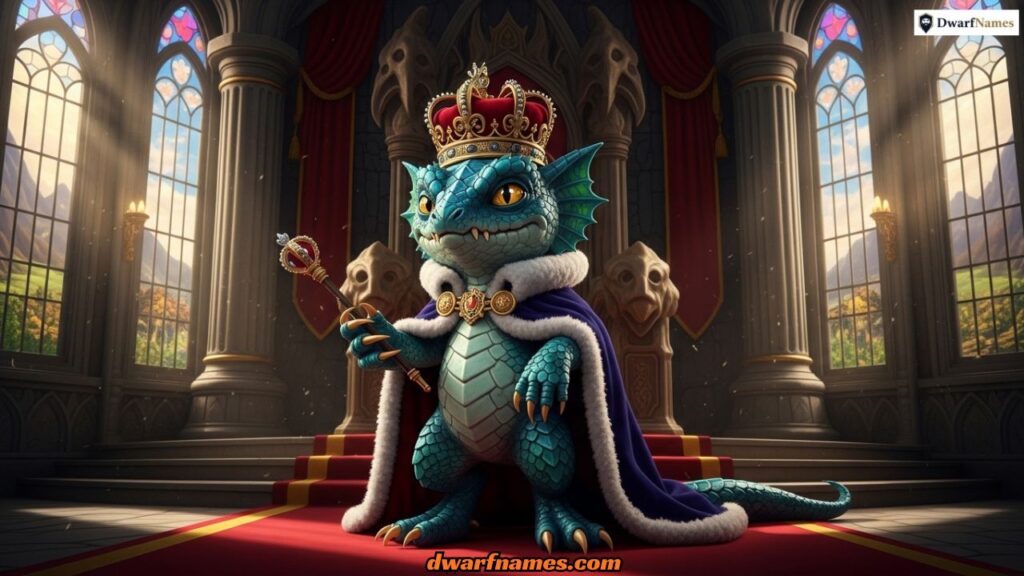
Traditional and Classic Kobold Names
Some names have been echoing through kobold tunnels for generations. These traditional names feel worn smooth by long use, familiar and comfortable to the clans that carry them. Classic DnD kobold names like these serve well for elder characters, established NPCs, or any kobold with deep roots in their community.
- Meepo
- Yipp
- Sniv
- Drix
- Gulk
- Skab
- Reek
- Vorb
- Tikk
- Nuzz
- Grib
- Skell
- Durp
- Vekk
- Rikk
- Thorp
- Snuzz
- Drab
- Grix
- Skiv
- Norb
- Tikrix
- Gullp
- Vrex
- Snikkle
- Dorbik
- Yellp
- Skrix
- Nurp
- Brix
The Lore of Kobold Naming Traditions
Understanding why kobolds name themselves the way they do transforms a simple list of words into a window into their world. Kobold society is oral-first. Writing is rare and precious, reserved for clan records and ritual scrolls, so names must be easy to speak quickly, easy to remember, and hard to mishear in the chaos of tunnel combat or the din of a crowded warren.
Young kobolds receive their first names shortly after hatching, typically chosen by the egg-tender or clan shaman. These first names are short and functional, rarely longer than two syllables. As a kobold grows and distinguishes themselves through deeds, a second name or earned title may be added. A kobold who becomes an exceptional tunnel-digger might earn the title “Deepclaw.” One who survives a battle against overwhelming odds might be known as “Skorrfang the Unbroken.”
Clan names carry an entirely different weight. They are collective identities, inherited and shared by all members of a bloodline or warren. Clan names often reference geography, a founding dragon patron, or a memorable event in the clan’s history. The “Ashenscale” clan may have survived a volcanic disaster. The “Goldvein” clan likely guards a rich mineral deposit. These names create immediate lore context the moment a player or reader hears them.
Name sounds in kobold culture also carry meaning. Names beginning with hard consonants like K, G, Sk, or Dr are considered strong and are often given to warriors and hunters. Softer sounds like V, N, or Th tend to appear in the names of shamans, egg-tenders, and diplomats. This is not a rigid rule, but a cultural tendency that experienced players and dungeon masters can lean into for immersive detail.
Some kobold clans also adopt a secondary personal name tied to their birth-omen. If an egg hatched during a thunderstorm, the hatchling might carry “Stormborn” as a secondary name. If born during a solar eclipse visible from the cave entrance, “Shadowmark” might be appended. These omen-names are treated with great respect and are only used in formal or sacred contexts.
If you enjoy deep cultural naming lore like this, exploring the traditions behind ancient Greek names or Arabic names can offer fascinating real-world parallels that enrich how you approach fictional naming systems for your worldbuilding.
Kobold Clan Names and Surnames
This is where naming truly becomes worldbuilding. A kobold’s clan name tells you where they came from, what they value, and what their ancestors achieved or endured. The following kobold clan and surname ideas range from fierce to mystical, and each one carries the seed of a story.
- Ashenscale
- Deepvein
- Skullhoard
- Irongrub
- Stoneclaw
- Goldvein
- Drakemark
- Venomtunnel
- Shadowfang
- Bonecracker
- Emberclaw
- Dustshield
- Thornscale
- Rubygrub
- Cindermark
- Nightvein
- Shalegrip
- Darkpick
- Flintclaw
- Ashbone
- Coppermine
- Gloomtunnel
- Ironscale
- Mudclaw
- Scalehoard
- Graveldust
- Blackfang
- Riftmark
- Stonehide
- Drakevein
- Emberfang
- Grubmark
- Cavebite
- Skullvein
- Sandscale
- Fireborn
- Deepthorn
- Ashmark
- Boneridge
- Crystalclaw
- Saltrock
- Nightscale
- Gloomborn
- Ironpick
- Dustbone
- Shadowmark
- Stonegrip
- Venomscale
- Embervein
- Darkscale
Conclusion
Kobolds are proof that great characters do not come in great sizes. From the tunnels of the Underdark to the lairs of ancient dragons, these clever, tenacious creatures have carved out a place in fantasy that is entirely their own. And the name you give your kobold is the first step in that story.
Whether you choose a sharp warrior’s name like Skorrfang, a mystical shaman’s title like Velithari, or a proud clan identity like Drakevein, every name on this list is an invitation. An invitation to imagine a tunnel system, a clan culture, a personal history, a moment of triumph or loss that defines this small but formidable creature.
Use these names in your campaigns, your novels, your homebrew settings, your short stories, or your game design projects. Mix and match them. Add your own suffixes and clan markers. Let the kobolds in your world surprise you. The best names are the ones that feel inevitable the moment a character earns them.
The tunnels are waiting. Your kobold is waiting. All they need now is a name.
Frequently Asked Questions
What makes a good DnD kobold name?
A good kobold name is short, easy to pronounce quickly, uses sharp consonants, and reflects the character’s personality, role, or clan heritage in about two syllables.
Can kobolds have last names or surnames?
Yes, kobolds often use clan names as surnames, typically referencing their warren’s geography, founding dragon patron, or a significant historical event their ancestors experienced.
Are kobold names gender-specific in DnD?
While not strictly required, female kobold names often carry more vowel sounds while male names trend toward harder consonants, reflecting cultural tendencies rather than rigid grammatical rules.
How do kobolds earn additional names in their culture?
Kobolds earn second names through notable deeds, survival of great hardship, or birth omens, with titles like “Deepclaw” or “Stormborn” added as marks of distinction.
What languages inspire kobold naming conventions?
Kobold names in DnD draw loosely from Draconic language phonetics, favoring sharp consonant clusters and short vowel sounds that feel ancient, tribal, and distinctly non-human.
Can I use these kobold names for video games or writing projects?
Absolutely. These names are designed for creative use across tabletop RPGs, fantasy writing, video game characters, worldbuilding projects, and any creative endeavor requiring authentic fantasy names.
How many kobolds typically share a clan name?
A kobold clan can range from a dozen members in a small warren to several hundred in an established underground settlement, all sharing the same clan surname as a mark of collective identity.