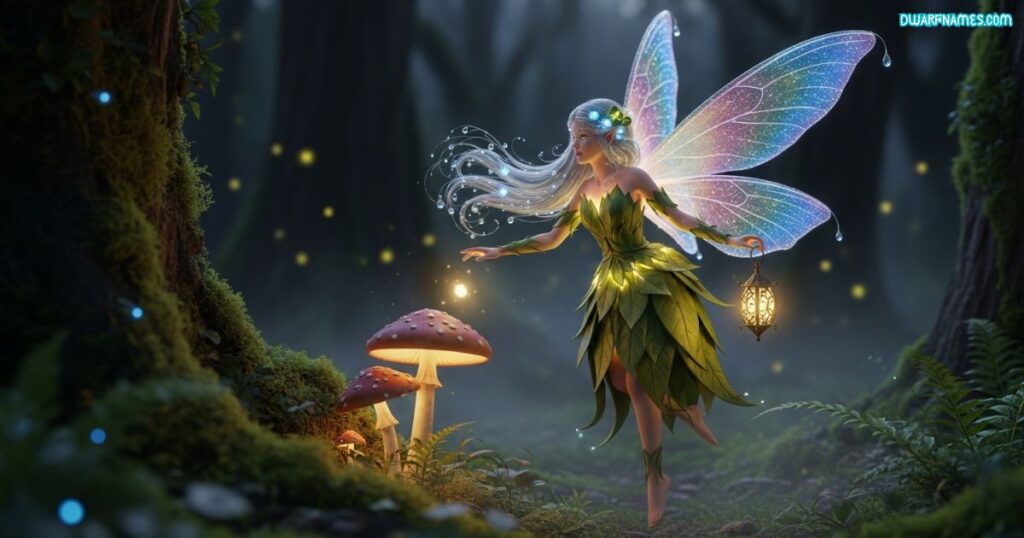

There is something ancient and electric about the word fairy. It conjures dewdrop wings, moonlit glades, and voices that sound like chiming bells carried on the wind. In every corner of the fantasy genre — from epic novels to tabletop RPGs, from video games to handwritten worldbuilding journals — fairies occupy a unique and irreplaceable space. They are not merely small and pretty; they are wild, cunning, ageless, and dangerous. And nothing captures that duality quite like a perfectly chosen fairy name.
Whether you are crafting a whimsical woodland spirit, a cold-blooded fey noble, or a trickster who has lived since the first storm — the name you give her (or him, or them) will define how readers and players feel in her presence. A name is a first impression, a whispered promise, a piece of identity carved from the fabric of your world. Get it right, and your fairy becomes unforgettable. Get it wrong, and even the most beautifully built character can feel hollow.
This guide is a deep dive into the world of fairy names ideas, built for writers, game masters, and worldbuilders who want names that feel genuinely magical — not generic, not lazy, not borrowed from a random name generator without context. Here you will find hundreds of names sorted by theme and tone, lore on how fairies name their own, and inspiration drawn from the greatest fairy characters in fantasy history.
Let the veil thin, and step through.
Famous Fairy Names From Literature & Games
Before we conjure our own names from the ether, it is worth studying the masters — the fairy characters whose names have become legend in fantasy culture. These names were not chosen by accident; they carry weight, sound, and story.
Tinker Bell — J.M. Barrie’s most iconic creation is named after her occupation: she mends pots and kettles, a tinker. The name is playful, rhythmic, and slightly mechanical — a perfect paradox for a creature made of pure light and emotion. It teaches us that fairy names can be rooted in function, transformed into something lyrical.
Titania — Shakespeare’s Queen of the Fairies in A Midsummer Night’s Dream draws her name from the Latin Titania, meaning “daughter of the Titans.” It is regal, ancient, and carries mythological thunder. She rules with passion and pride, and her name announces that before she ever speaks a word. Royal fairy names should feel like they have always existed — because, for a fairy, they have.
Oberon — Her consort and rival is named from the Old High German Alberich, meaning “elf ruler.” Oberon is strong but melodic, commanding but not harsh. It became the blueprint for male fairy royalty names across centuries of fantasy.
Maleficent — Disney’s dark fairy takes her name from the Latin maleficentia, meaning “evil-doing.” The name is deliberate, dramatic, and ominous — it tells you everything about her alignment while still sounding undeniably beautiful. Great villain fairy names do not hide what they are; they declare it with confidence.
The lesson from all four: the best fairy names carry meaning, music, and mood simultaneously.
Male Fairy Names
Male fairies in fantasy range from playful forest sprites to ancient, terrifying fey lords. Their names should reflect that full spectrum — some light and lyrical, others deep and resonant with old power. If you are searching for mage names for spellcasting male fey, that list pairs beautifully with these.
- Aelindor
- Bramblewing
- Caerwyn
- Duskfen
- Elarion
- Fenwick
- Gilthros
- Haelion
- Ivornis
- Jasperel
- Keldwyn
- Lorindel
- Maelthorn
- Nithrel
- Orvindel
- Pelluin
- Quelaris
- Riornel
- Silveth
- Thalvorn
- Uindrel
- Veldris
- Waethion
- Xalindel
- Ysolmir
- Zindrith
- Aeronwel
- Blossomcroft
- Cinderveil
- Dawnwhisper
- Elmorin
- Frostpetal
- Glenwield
Female Fairy Names
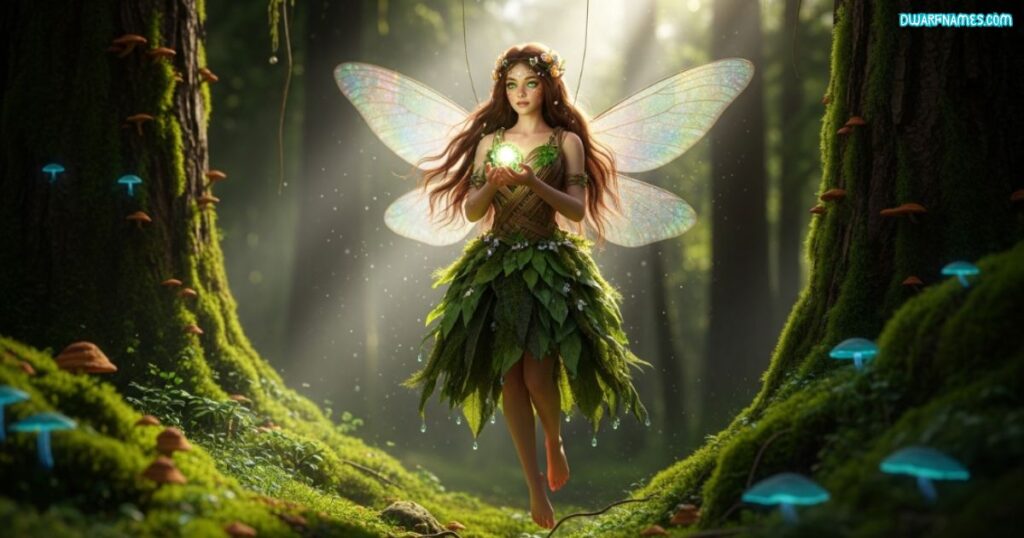
Female fairies are among the most richly imagined figures in all of fantasy. Their names tend to flow like water, with soft consonants and open vowels — but do not be fooled into thinking they are all gentle. The most feared fey queens in fiction carry names as beautiful as they are cold. For more feminine fantasy inspiration, elf names share a similar lyrical elegance.
- Aelindra
- Beloria
- Calandiel
- Dewmere
- Elowyn
- Faeliris
- Gossamer
- Halindra
- Iriswyn
- Jevelith
- Kaelindra
- Lirithel
- Mirelosse
- Naelyth
- Oriandel
- Petalveil
- Queloris
- Rilindwe
- Sylvara
- Thistlewyn
- Ulindra
- Velorien
- Wispara
- Xaelindra
- Ylara
- Zephyrine
- Aurorveil
- Blisswyn
- Crystalmere
- Delphinara
- Emberliss
- Fenoriel
- Gladewyn
- Hollowpetal
- Ivymerel
Cool & Unique Fairy Names
Sometimes you need a name that defies easy categorization — one that lands with a strange, memorable weight the moment you read it. These are names for fairies that do not fit neat boxes: the chaos-bringers, the liminal wanderers, the ones who live between moonrise and the first breath of dawn. Think of these as your wildcard options. Many of these echo the otherworldly strangeness also found in creature names.
- Thornwisp
- Vexmire
- Gloomtide
- Nullveil
- Ashbloom
- Mirethon
- Voidpetal
- Scattergleam
- Lumindross
- Crookthorn
- Snarelace
- Driftmere
- Hexbloom
- Warpwing
- Cinderwisp
- Tangleveil
- Blightlace
- Shroudmere
- Flickrose
- Galeshimmer
- Murkwing
- Riddleveil
- Frostsnare
- Hazebloom
- Nullmere
- Spinethorn
- Echopetal
- Duskmire
- Vexwing
- Galethrist
Warrior & Badass Fairy Names
Not all fairies dance on flower petals. The warrior fey — the ones who ride nightmare horses into battle, who wield blades of frozen moonlight, who have led armies through the Unseelie darkness — need names that hit like iron. These names borrow the martial weight you might find in samurai names, transposed into fey mythology.
- Bladeveil
- Duskfang
- Grimthorn
- Ironsylph
- Javelindra
- Keldstrike
- Lethalblossom
- Morveil
- Nightbane
- Onyxwing
- Plagueveil
- Quillblade
- Ravenveil
- Stonepetal
- Thornstrike
- Umbralis
- Vanthorn
- Warwing
- Xandrel
- Yewblade
- Zarveil
- Ashfang
- Boltstrike
- Coldveil
- Deathbloom
- Emberfang
- Froststrike
- Grimwing
- Hexblade
- Ironbloom
Royal & Noble Fairy Names
The courts of the Seelie and Unseelie are ancient beyond reckoning. Their monarchs and nobles carry names that have been whispered with reverence — and fear — for millennia. A royal fairy name must sound as though it was spoken before the first human civilization drew breath. It must carry weight. These names also complement DnD human names in mixed-court worldbuilding scenarios.
- Auranthos
- Belindris
- Coridael
- Daelindor
- Elorindel
- Falorindra
- Glorindael
- Helorindis
- Ilorindar
- Jelorindas
- Kelorindel
- Lilorindra
- Milorindas
- Nilorindel
- Orindael
- Pilorindas
- Quorindel
- Rilorindra
- Silorindael
- Tilorindas
- Ulorindel
- Vilorindra
- Wilorindas
- Xilorindel
- Yilorindra
- Zilorindas
- Aetherwyn
- Brightcrown
- Crystalveil
- Diamondmere
Traditional & Classic Fairy Names
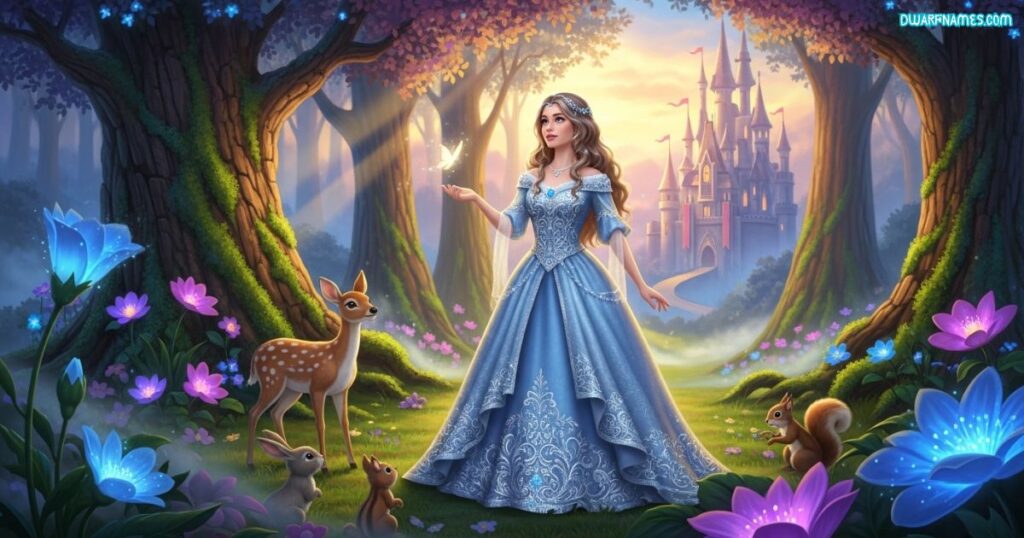
These are the names that have echoed through fairy folklore across centuries — names that feel timeless and rooted, drawn from the oldest traditions of fey mythology. They sit comfortably in any fantasy setting and carry an air of deep, unquestioned authenticity.
- Ailindra
- Briar
- Cobweb
- Dewdrop
- Elindra
- Foxglove
- Gossamer
- Hawthorn
- Iris
- Jasmine
- Kelindra
- Larkspur
- Mosswick
- Nightshade
- Olive
- Primrose
- Quicksilver
- Rosewing
- Silvermist
- Thistle
- Umbra
- Violet
- Willowmere
- Xanthe
- Yarrow
- Zinnia
- Alder
- Bluebell
- Clover
- Daffodil
- Elderbloom
- Fernwhisper
- Gilded
- Honeydew
- Ivywood
Fairy Naming Traditions & Worldbuilding Lore
Understanding how fairies name themselves is just as important as the names themselves. In most fey mythologies — and in the best fantasy worldbuilding — names are not simply labels. They are living things.
The True Name and the Use-Name
Fairies in many traditions possess two names: a True Name, known only to themselves and their closest kin, and a Use-Name given to outsiders. To speak a fairy’s True Name aloud is to gain power over them — which is why no fairy will ever willingly reveal it. When you meet a fairy named Gossamer in your story, understand that somewhere deeper in her identity lives a name older than starlight that she will carry to her grave.
This duality creates wonderful storytelling tension. A villain who learns a fairy’s True Name holds leverage. A fairy who trusts you with their True Name is offering the rarest gift in existence.
Names Earned Through Experience
In some fairy courts, children are given a simple, descriptive name at birth — Dewdrop, Thornchild, Greyborn — and only earn their full name through a defining act or journey. A fairy who once outran a storm might become Galethrist. One who survived the burning of the Autumn Court might carry Ashbloom as a badge of grief and survival.
This makes fairy names naturally dynamic in long-form storytelling. Consider letting your fairy character’s name evolve.
Court Affiliations in Naming
The Seelie Court (associated with summer, joy, light, and order) tends toward names that are bright and open: lots of vowels, liquid consonants, imagery of flowers and dawn. The Unseelie Court (associated with winter, chaos, darkness, and wildness) favors names with harder sounds, shadow-imagery, and a harsher rhythm.
A fairy named Silverbloom almost certainly belongs to a summer court. One named Deathveil belongs somewhere much colder. You can see similar court-based naming logic at work in DnD Githyanki names, where cultural identity shapes phonetic identity.
The Naming of Half-Bloods
Fairies who carry human blood — or those who have lived among mortals for long stretches — often develop hybrid names: one foot in the lyrical fey tradition, one foot in the grounded human world. Ren Silverbrook, Mara Thistleveil, Cole Ashwing — names that feel almost human but carry a telltale shimmer.
Fairy Last Names & Clan Surnames
The great fey families and lineages carry surnames that are worn like banners — compound words built from nature imagery, magical phenomena, and ancient clan histories. These 50 fairy surnames can function as family names, clan identifiers, or simply as flourishes that give your fairy characters a richer sense of origin.
- Ashveil
- Bloomthorn
- Cinderwick
- Dawnmere
- Elderwisp
- Frostpetal
- Gladewick
- Hollowveil
- Ironbloom
- Jadewing
- Kindlewick
- Lacewing
- Moonmere
- Nightbloom
- Opalveil
- Petalmere
- Quickthorn
- Reedwick
- Silverwisp
- Thornmere
- Umbraveil
- Veilwick
- Webmere
- Xylowick
- Yewveil
- Zephyrwick
- Amberveil
- Briarthorn
- Crystalwick
- Duskbloom
- Emberveil
- Fernwick
- Gloomthorn
- Hazewick
- Icebloom
- Jadwick
- Kelpmere
- Lumenwing
- Mistwick
- Nebulveil
- Oakmere
- Plumthorn
- Quartzwick
- Ravenveil
- Stormmere
- Twilightwick
- Underloom
- Violetmere
- Willowveil
- Zirconwick
These surnames pair beautifully with any of the first names listed above. Elowyn Thornmere — a winter fey warrior. Jasperel Dawnmere — a young noble of the summer court. Vexmire Gloomthorn — something unspeakable from the deep Unseelie wilds.
Fairy Names for Different Fantasy Genres
Not all fantasy worlds treat fairies the same way — and your name choices should reflect your genre’s tone.
High Fantasy / Epic Fantasy: Lean on the royal and traditional categories. Names like Auranthos, Daelindor, and Elorindel anchor fairies in a world of ancient power and long history. These characters often interact with elf names and other elder races on equal footing.
Dark Fantasy / Horror Fantasy: The warrior and unique categories shine here. Blightlace, Voidpetal, Grimthorn — these names belong to fey who have survived horrors and carry those horrors in their syllables. They share conceptual DNA with werewolf names in their raw, threatening edge.
Romantic Fantasy / Fairy Tale: Traditional and female names work beautifully. Primrose, Gossamer, Reedwick, Beloria — these are names for fairies who exist at the edge of wonder and heartache.
Urban Fantasy / Contemporary Fantasy: Hybrid and short names feel most at home. A fairy living among mortals in a modern city might go by Ash Veilwick or Rion Thornmere — just recognizable enough to pass, just strange enough to unsettle.
If your world contains multiple magical species, you might also want names for kitsune or succubus characters who might share courts or rivalries with your fey.
Conclusion: The Magic Lives in the Name
A fairy without a name is just a light in the forest — beautiful, perhaps, but formless. A fairy with the right name becomes a character who can haunt your readers long after they close the book, who your players will remember years after the campaign ends, who will feel as real as starlight on water.
The names in this guide are tools, but they are also invitations. Take Thistlewyn and give her a scar she refuses to explain. Take Duskfang and build him a history of wars fought before your story’s world had a name. Take Auranthos and decide what secret he carries beneath his crown that no one — not even his queen — has ever discovered.
Fantasy names are the first act of creation. Every great fairy character begins with a sound, a syllable, a rhythm that whispers: I exist. I matter. I am not easily forgotten.
So choose your names with care, with intention, and with wonder. Your fairies are waiting.