
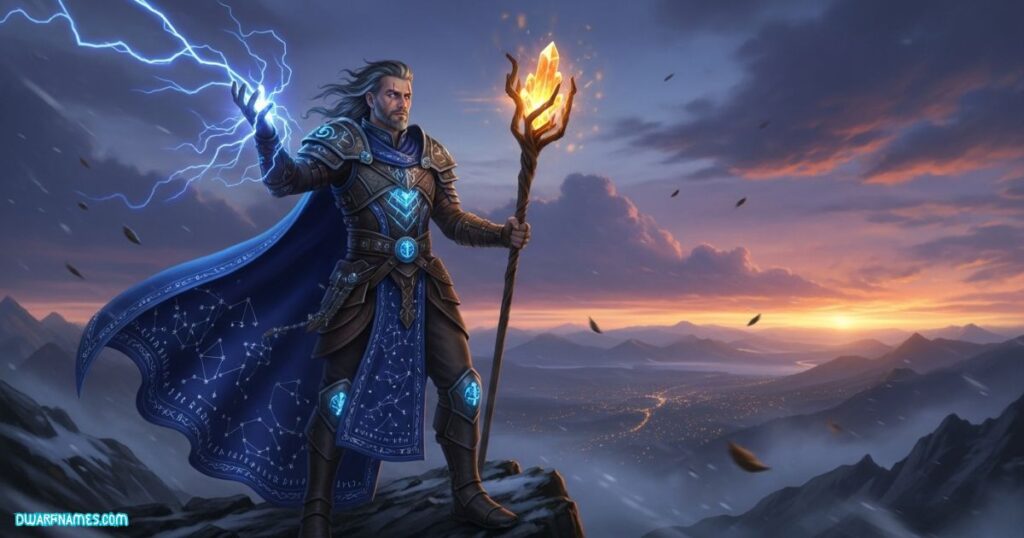

There is a particular kind of power in a name. Not the quiet power of a surname passed through generations, nor the gentle weight of a name chosen at birth — but the arcane kind. The kind that hums on the tongue like a spell half-spoken. When a mage steps from the shadows of a story, their name is the first incantation the reader encounters. It must crackle with mystery. It must feel ancient, earned, and impossible to forget.
Mages are among the most iconic figures in fantasy — scholars of the impossible, weavers of reality, wanderers who walk the razor’s edge between knowledge and catastrophe. They appear in every tradition of fantasy literature and gaming, from the robed archmages of Dungeons & Dragons to the sorcerers of ancient legend. And whether you’re crafting your next character for a tabletop RPG, writing the protagonist of an epic novel, or building a vast worldbuilding project from scratch, the name you choose for your mage says everything.
A well-chosen mage name carries the scent of dusty tomes and lightning-scorched stone. It whispers of long years spent hunched over forbidden manuscripts, of pacts sealed in starlight, of towers that lean against storm-riddled skies. A poor name, by contrast, deflates the magic entirely — turning a being of immense power into something easily dismissed.
This guide gives you over 300 mage names sorted by theme, gender, personality, and power — along with naming lore, cultural traditions, and worldbuilding inspiration to help you craft truly unforgettable arcane characters.
Famous Mage Names From Literature & Games
Before we conjure our own names, it’s worth pausing to study the masters — the legendary mages whose names have become synonymous with the fantasy genre itself. Each one teaches us something essential about what makes a mage name work.
Gandalf — Tolkien’s wandering wizard carries a name derived from Old Norse, meaning “wand elf.” It’s deceptively simple, almost folksy, yet it ages magnificently the deeper you go into the lore. The name reflects duality: accessible on the surface, ancient at the core. Gandalf feels like a name a mage would earn rather than be born with.
Raistlin Majere — From the Dragonlance chronicles, Raistlin is one of fantasy’s most complex arcane characters. The name is sharp and slightly unsettling — note how the consonants feel pointed, restless. “Majere” adds an old-world gravity. Together, they form a name that feels simultaneously prestigious and dangerous, which perfectly mirrors Raistlin’s arc.
Merlin — Perhaps the most famous mage name in Western tradition. Short, memorable, and carrying centuries of myth. It functions almost as a title now. Note how single or two-syllable mage names often become the most enduring — they’re easy to call out in a battlefield panic or whisper reverently in a library.
Sheogorath — From the Elder Scrolls universe, this Daedric Prince of Madness demonstrates how mage names can become wholly invented yet completely convincing. The harsh “sh” opening and “-gorath” ending feel alien and mighty. For players building darker arcane characters, this is the template.
Understanding what makes these names work — rhythm, consonant texture, mythic weight — is the foundation of building your own. You can find similarly strong naming patterns in our guides to elf names and DnD human names, two races whose arcane traditions often overlap deeply with mage lore.
Male Mage Names
These names carry masculine energy across a wide spectrum — from brooding sorcerers to jovial arcane scholars. Each is designed to feel fantasy-authentic without tipping into cliché.
- Aldermoss
- Varanthos
- Sylcaren
- Orenthal
- Drethis
- Balmoran
- Erevan
- Zarthok
- Caelivorn
- Thessian
- Mordrel
- Auravex
- Pellathos
- Wynvael
- Xarathis
- Thalvorn
- Cedranos
- Ildreth
- Forneval
- Quelthis
- Baradurn
- Solvek
- Myrenthos
- Jhorvain
- Eldreth
- Vorantis
- Casivarn
- Therovan
- Maldris
- Pyrathon
- Gondeval
- Severyn
- Ozarath
- Lucivorn
- Belrathis
- Draveth
- Caelindor
- Erenthos
- Nythran
- Ashvael
- Fervantis
- Quelvaris
- Tharindor
- Zeluvan
- Mordacai
Female Mage Names
Feminine mage names in fantasy often blend softness with hidden steel — names that sound like poetry recited before a conjuring storm. These strike that exact balance.
- Sylvaris
- Thesslina
- Morwen
- Aelindra
- Valcira
- Zephyris
- Calysse
- Nethara
- Elyndra
- Vaelith
- Thessmira
- Oryantha
- Sylindra
- Caedwyn
- Ilvaris
- Morathis
- Zylara
- Quelinda
- Viranthis
- Naelysse
- Draveth
- Alyndris
- Serevane
- Mythriel
- Caldris
- Voraneth
- Ilysse
- Tharindra
- Aelveth
- Quelindra
- Nyxara
- Solvira
- Belindra
- Cynthavel
- Ilmorath
- Drevari
- Aurelysse
- Thalindra
- Vyrenne
- Lyraneth
- Ashvira
- Corvindra
- Seralith
- Mirandris
- Vaelynne
Cool & Unique Mage Names
These are the names that stop a reader in their tracks. Unexpected combinations, unusual phonetics, names that feel like they were carved out of a language that predates written history.
- Ixavren
- Zorvathis
- Quelixar
- Myrindax
- Thavexor
- Zilvane
- Vrethis
- Caylindox
- Ixorath
- Molvaren
- Thyxaris
- Quelindax
- Narveth
- Ilvexar
- Zorandris
- Caevyn
- Thalirex
- Quxivorn
- Morvenis
- Xelvaris
- Thyrandor
- Zivethis
- Nyrindax
- Caelivax
- Voxareth
- Myrindel
- Thavalis
- Quelixis
- Zynthis
- Ilvandor
- Zarveth
- Nyxoreth
- Valixthor
- Caelorix
- Ilvexis
Much like the layered mystery found in kitsune names, the best unique mage names carry a double meaning — they sound beautiful but faintly threatening, approachable but deeply alien.
Warrior Mage & Battlemage Names (Badass & Powerful)
Not all mages lurk in towers. Some stride onto battlefields with fire in one hand and steel in the other. These names carry weight, aggression, and raw arcane force.
- Valdrak
- Morthex
- Zarthorin
- Drevak
- Grolveth
- Pyrathax
- Thundrak
- Vexorin
- Morvak
- Caldrethos
- Dravorn
- Grithax
- Zalvek
- Tharborak
- Morventis
- Veldrak
- Xanthrak
- Pyrindak
- Drothis
- Zolvak
- Granthex
- Mordravak
- Thaldrex
- Vaskorin
- Bolvrath
- Kaeldrak
- Morthvex
- Zyndrak
- Grevothis
- Draxorin
- Mordrak
- Thorgavel
- Pyrolvex
- Xorindak
- Zaldrath
- Veldrak
- Mordavex
- Graethis
- Thundrel
- Karvathis
Characters like these pair beautifully with the brutal naming traditions found in werewolf names — both traditions share that same collision of ferocity and hidden depth.
Royal & Noble Mage Names
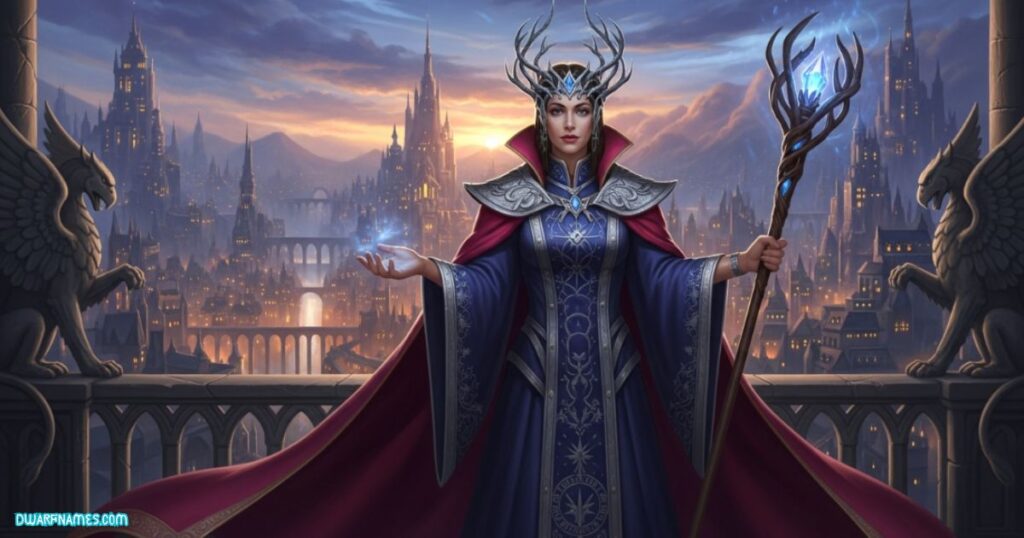
When magic runs in the veins of aristocracy, names must carry both arcane power and dynastic prestige. These names are suited for arch-mages, council leaders, and the arcane nobility of great magical empires.
- Aldrenvor
- Caelindrath
- Thervantis
- Morvalen
- Quelindross
- Silvrenthor
- Valathen
- Tharindress
- Eldrenvore
- Auranthos
- Velmindrath
- Caelissian
- Gondrevant
- Quelindross
- Thoralindra
- Myrventhos
- Aldrenvane
- Serevanthor
- Elindrath
- Valmindross
- Caeldreth
- Tharenthos
- Silvindrath
- Auremvane
- Quelindor
- Morventhar
- Alindrathos
- Elcadriss
- Valdrenthos
- Tharivane
Traditional & Classic Mage Names
Sometimes the oldest shapes are the most powerful. These names draw on classic fantasy naming traditions — the kind you’d find in a leather-bound tome labeled Compendium of the Arcane.
- Merethis
- Aldorath
- Severyn
- Orindal
- Thalvane
- Mordecin
- Elvanor
- Caeldris
- Arenthos
- Sylverin
- Thelvorn
- Orbrant
- Aldorvane
- Mervanthos
- Quelindral
- Silvoran
- Thareldris
- Morindal
- Erendrath
- Valdorin
- Sylenthor
- Arindal
- Thelvaris
- Mordrenval
- Orventhos
- Caelindral
- Silvarant
- Merthindor
- Aldranthos
- Quelenthor
The Lore of Mage Naming: A Worldbuilder’s Guide
In most fantasy traditions, mages do not simply receive names — they accumulate them. Understanding this is key to building believable arcane characters.
Birth Names vs. Arcane Names
A mage typically carries two names: a birth name given by family, and an arcane name claimed upon completion of their first significant working. The birth name is used by family and childhood friends. The arcane name is how they present themselves to the world of magic — and sharing it with the wrong person is considered deeply dangerous.
In some traditions, a mage’s true name is their greatest secret. To know the true name of a mage is to hold power over them. This lore mechanic is rich territory for writers and game masters alike — it means a character who reveals their mage name is performing an act of profound trust.
The Syllable Structure of Power
Across many fantasy settings, mage names tend to share certain structural qualities that signal arcane identity:
- Sibilant openings (Sy-, Se-, Si-) suggest mysticism and quiet knowledge
- Hard consonant clusters (Dreth-, Grov-, Xar-) suggest power and danger
- Flowing endings (-iel, -ith, -ven, -ara) suggest grace and ancient lineage
- Compound titles (Ashvael, Coldmere, Thornwhisper) suggest a name earned through deed
This is similar to how naming traditions work in other magical races. Compare the compound power-structures of DnD Githyanki names — a warrior-sorcerer people whose names blend martial and arcane elements in fascinating ways.
Schools of Magic and Naming Conventions
Different magical schools often produce distinct naming cultures:
Evocation mages — practitioners of raw elemental force — tend to carry short, percussive names that hit like a thunderclap. Dravak. Pyrex. Zoldrak. The name itself is a declaration.
Divination mages — seers and dreamweavers — carry long, flowing names that trail off like smoke. Thessalindra. Vaelirenne. Quelindorath. You almost lose the name before it ends.
Necromancers favor names with cold consonants and hollow vowels. Morveth. Sylvanic. Caldrenthos. Names that feel like air escaping a sealed vault.
Illusion mages often bear names that seem to contradict themselves — beautiful but slightly wrong, like a reflection that moves a half-second too late.
Mage Clan Names & Arcane Surnames
Many great magical traditions are organized into clans, houses, or orders — and these group identities carry surnames as distinctive as the individual mages themselves. Here are 50 arcane clan and surname options, each built to suggest a dynasty of magical power.
- Ashenveil
- Coldmere
- Thornwhisper
- Emberstride
- Voidmantle
- Storncrest
- Ironsigil
- Duskbinder
- Starweave
- Moonshatter
- Grimoire
- Vesperthorn
- Cinderveil
- Shadowweft
- Gloomreach
- Embervane
- Stormwarden
- Duskmantle
- Wyrmscrawl
- Ashblood
- Thornveil
- Voidstride
- Grimmantle
- Cinderscrawl
- Moonsigil
- Emberwarden
- Shadowcrest
- Starmantle
- Duskweave
- Coldveil
- Thornshatter
- Gloomstride
- Vesperblood
- Irisveil
- Stormscrawl
- Ashmere
- Shadowsigil
- Grimcrest
- Emberthorn
- Moonveil
- Duskstride
- Coldmantle
- Thornwarden
- Voidweave
- Starscrawl
- Gloomblood
- Vesperash
- Ironcrest
- Emberveil
- Shadowmere
Many of these compound structures echo the power-naming traditions you’ll find in creature names — where the name itself becomes a declaration of nature and territory.
Mage Titles & Honorifics for Worldbuilders
Beyond personal and family names, great mages often carry titles — formal honorifics that signal rank, achievement, or infamy within the arcane community. Consider weaving these into your naming system:
- The Ashen — a mage who has survived magical catastrophe
- Veilkeeper — a guardian of dimensional boundaries
- The Unbound — a mage who has severed ties with their original order
- Stormcaller — earned through mastery of weather and lightning
- The Pale — associated with necromantic arts or undeath
- Dreamwalker — a seer who traverses the dream realm
- The Scorched — a battlemage known for battlefield destruction
- Voidtouched — one who has made contact with extra-dimensional entities
Combining a mage name with a title creates instant character depth: Thyrandor the Ashen, or Quelindra Veilkeeper, or Morthex the Unbound — each combination implies an entire history.
These naming patterns also appear in adjacent dark fantasy traditions. For instance, the sinister elegance of succubus names shares the same instinct for names that carry hidden menace beneath beautiful surfaces. And if your mage operates in an eastern-inspired setting, the honor-bound naming structures of samurai names offer fascinating cross-cultural inspiration for arcane characters who blend martial and magical traditions.
Building a Mage Name: A Framework for Writers & Game Masters
If none of the names above quite fit the character you have in mind, here is a practical framework for generating your own:
Step 1 — Choose a sound profile. Decide whether your mage is soft and mysterious (flowing consonants, open vowels) or hard and dangerous (clustered consonants, closed vowels).
Step 2 — Build from syllables. Combine 2–3 syllable blocks from different phonetic families. Mix a sibilant opening with a hard middle and a flowing close: Syrvathel. Or hard-hard-soft: Draxovane.
Step 3 — Test it aloud. A mage name must survive being shouted across a battlefield and whispered across a deathbed. If it sounds wrong in either context, revise.
Step 4 — Consider etymology. Does the name contain a hidden meaning in your world’s language? Even invented languages benefit from internal consistency. Ashvael might mean “ash-soul” in your world’s tongue. Quelindra might translate loosely as “she who listens to what is not spoken.”
Step 5 — Layer with title or surname. Combine your created first name with one of the arcane clan names above, or one of the honorific titles, and your mage instantly gains three-dimensional identity.
Conclusion: The Name Is the First Spell
Every mage begins as a blank canvas — a concept, a class selection, a paragraph in a planning document. The name is the first mark made. It determines how readers feel when they encounter this character, how other characters react to them, and how the mage themselves understands their own identity in the world.
The 300+ names in this guide are not merely labels. They are starting points — seeds of story that contain entire histories of towers and tombs, of books read by moonlight, of magic gone wrong and magic gone terrifyingly right. Whether you choose something ancient and weighty like Aldrenthos or something sharp and strange like Ixavren, you are making a worldbuilding decision that echoes through everything that follows.
Use these names freely. Combine them. Break them apart and rebuild them. Let them lead you somewhere unexpected.
Because the best fantasy worlds are not built — they are summoned. And every summoning begins with a name.
Looking for more naming inspiration? Explore our guides to elf names, kitsune names, werewolf names, and DnD human names to find the perfect names for every corner of your fantasy world.