
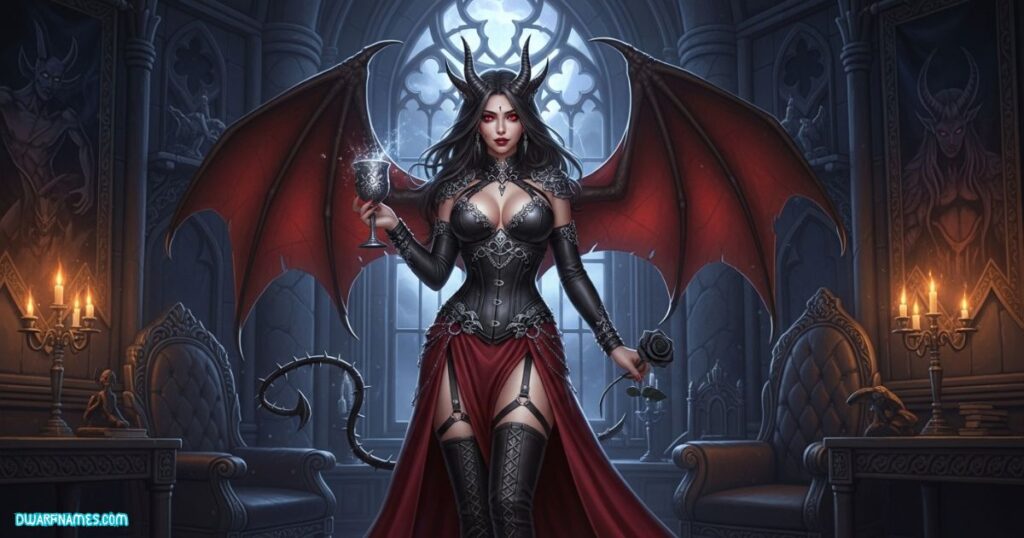

In the shadowed corridors of fantasy lore, few beings inspire as much dread, fascination, and dark allure as the succubus. These supernatural temptresses have haunted literature, mythology, and storytelling for centuries—ethereal predators cloaked in beauty, their very names carrying the weight of forbidden power. Whether you are a novelist crafting a dark fantasy saga, a dungeon master building a morally complex villain, or a worldbuilder designing a culture of seductive demons, choosing the right succubus name is no small matter.
Names in dark fantasy are not mere labels. They are declarations of identity, echoes of power, and windows into a character’s very soul. A succubus named Velithra whispers of moonlit treachery and silk-soft menace. One named Kraveth strikes like a blade—brutal, immediate, unforgettable. The name shapes the myth before a single word of backstory is written.
Succubi occupy a unique and compelling niche in fantasy worldbuilding. They are not mindless monsters—they are beings of cunning, seduction, and ancient magic, often portrayed as agents of chaos, shadow courts, or infernal aristocracies. Their names should reflect that complexity: beautiful yet dangerous, melodic yet sharp. Whether you’re looking for cool succubus names, unique dark fantasy name ideas, or an entire naming system for a demonic culture, this guide offers over 300 hand-crafted options alongside deep worldbuilding lore to inspire your creativity.
From the whispering pits of the Abyss to the gilded halls of infernal nobility, the succubus has always been a creature of story. Let her name be worthy of the legend.
Famous Succubus Names From Literature & Games
Before diving into the full name lists, it is worth looking at how famous fiction and games have named these creatures—and what those choices reveal about character.
Lilith — Perhaps the most iconic name in succubus mythology, Lilith originates from ancient Mesopotamian and Hebrew lore. In fantasy fiction, she has appeared in countless games, novels, and comics as the primordial demoness: powerful, autonomous, and eternally defiant. Her name has become shorthand for feminine dark power, and its soft yet fierce phonetics make it eternally compelling.
Morrigan — Featured prominently in the Dragon Age series, Morrigan is a dark mage and witch of the wilds whose name evokes the Irish war goddess. Though she is not a succubus by classification, her archetype—dangerous beauty, arcane power, moral ambiguity—is deeply aligned with the succubus tradition. Her name sounds mythic, ancient, and untameable.
Succoria — Appearing in Magic: The Gathering lore, this name blends the Latin root “succubus” with an aristocratic suffix, giving it the feeling of noble infernal lineage. It’s the kind of name you give a succubus queen, not a foot soldier.
Ezi’ael — From various D&D campaign settings and community lore, names like this use angelic suffixes (“-ael,” “-iel”) to hint at a succubus’s fallen nature—once divine, now twisted. This naming technique is powerful for storytelling because it creates immediate tragedy and backstory.
These examples demonstrate a core truth: the best fantasy succubus names carry subtext. They imply history, culture, and personality without needing a single sentence of explanation. If you enjoy crafting names for beings of ancient power, you might also find inspiration in our collection of mage names or the ethereal resonance found in fairy names.
Female Succubus Names
The quintessential succubus is feminine in presentation—a being of devastating charm wrapped in shadow and silk. These names balance dark beauty with underlying menace, perfect for villains, anti-heroes, and morally complex characters.
- Velithra
- Seraphyne
- Morvaine
- Noctessa
- Zilvara
- Thessaly
- Liruvel
- Kessindra
- Draveth
- Nocturnia
- Vespera
- Eryndis
- Malacha
- Selviara
- Nyxara
- Tormentha
- Lussiel
- Devanya
- Kaliveth
- Sorrinae
- Nythessa
- Velmira
- Astravel
- Quelindra
- Vorath
- Siliveth
- Duskara
- Miriavel
- Thessivore
- Ezralith
- Carnevel
- Obsidine
- Ravenoth
- Solaveth
- Tyravine
- Zessara
- Lilurvel
- Mordessa
- Venthara
- Alloveleth
- Krivassa
- Noctvael
- Sylvaran
- Essiveth
- Threnody
- Valorith
- Seldrivar
- Ombreth
- Ylavissa
- Shivraneth
Male Succubus Names (Incubus Names)
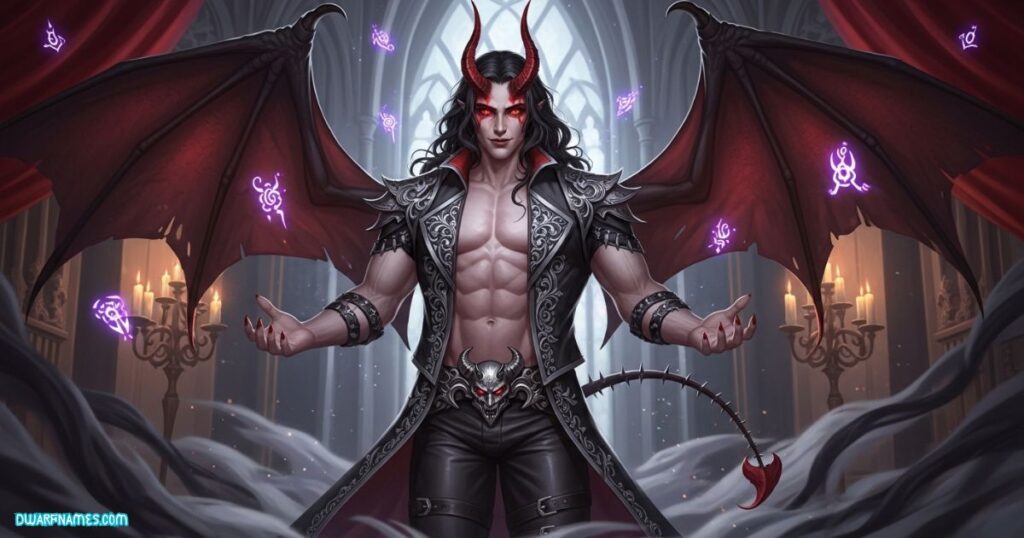
The male counterpart to the succubus—the incubus—is no less powerful or sinister. These names carry a darker, sharper edge while maintaining the seductive mystique of the archetype.
- Zarethion
- Molvaren
- Drexathos
- Vaelthorn
- Kraxivel
- Sethirion
- Mordaveth
- Nulgrave
- Thrassek
- Velkorath
- Dravithos
- Obsivael
- Zoldreth
- Myrethon
- Karavel
- Soltivex
- Duskraven
- Ethrivar
- Vexmoran
- Noctavian
- Thelveth
- Qaroveth
- Sylvarak
- Dresdivael
- Korrethon
- Velvanth
- Maltivore
- Zytheras
- Edrivael
- Morgaveth
- Thessivon
- Eridrath
- Lurkvane
- Solvithos
- Crethivael
- Ombravex
- Dyravon
- Nythaveth
- Velcroth
- Kravoth
Cool & Unique Succubus Names
These names stand out for their originality and phonetic strength—ideal when you want something that doesn’t sound like anything else in your world. If you are looking for names with a similarly otherworldly resonance, our guide on elf names offers comparable variety for beings of arcane elegance.
- Xylvaris
- Onkraveth
- Zynthael
- Volessira
- Nyxivore
- Thressavik
- Kaelvorith
- Ultavena
- Drivethax
- Quelmorath
- Vexindra
- Szilveth
- Ythravon
- Morvexia
- Zaelithos
- Krevissara
- Drusilvael
- Azdraveth
- Thrennaxis
- Mortivex
- Xelvrith
- Ossivael
- Ylvekrath
- Nevrossith
- Zrivethon
- Queldraxis
- Ithervane
- Shadrivael
- Vorthekis
- Drazivane
- Nyxelveth
- Quelithos
- Ombrevan
- Ssithravael
- Vexorith
- Draxiveth
- Althrenos
- Szivravon
- Krythivael
- Ulmossith
Warrior & Badass Succubus Names
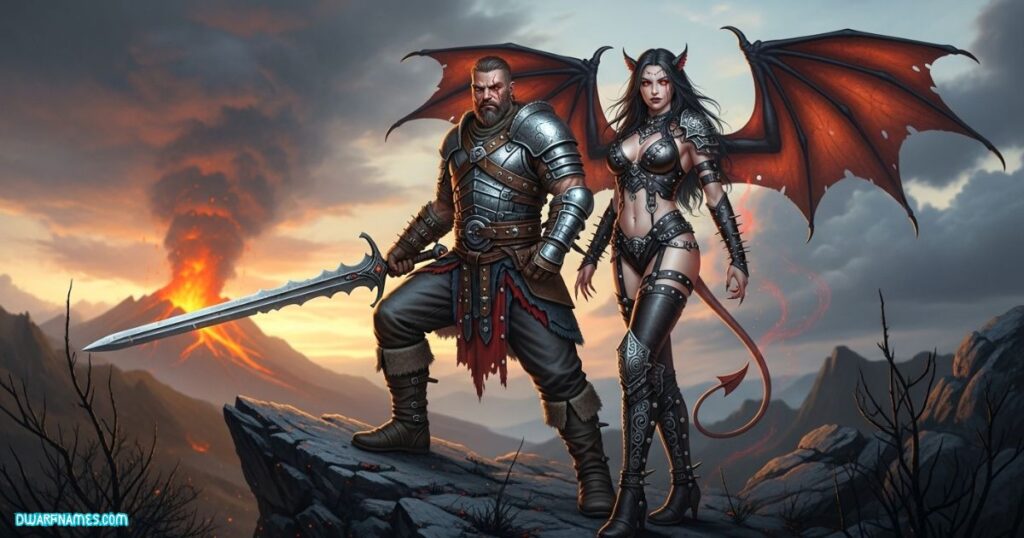
Not every succubus seduces from the shadows—some rule through sheer, terrifying power. These names carry weight and force, fit for a succubus general, infernal warlord, or ancient predator who has abandoned subtlety for dominance.
- Kraveth
- Bloodveil
- Morvax
- Drakessith
- Thorravel
- Crushindra
- Vordrex
- Skarvelith
- Nightrend
- Kethravon
- Soldraxis
- Doomvara
- Grethivael
- Ivethkorn
- Blackenveth
- Warvessa
- Skellithos
- Mortharix
- Grimvael
- Darkvethon
- Crushvara
- Ironsith
- Bloodindra
- Voidravel
- Slayveth
- Deathvara
- Sorrowind
- Duskclaw
- Scourgevael
- Ashenveth
- Stonedrix
- Coldvethon
- Hateindra
- Wraithkorn
- Strikevael
- Shadowrend
- Duskbane
- Cinderaxis
- Frostdrex
- Hellvethon
Royal & Noble Succubus Names
In many fantasy settings, succubi are not chaotic scavengers but members of elaborate infernal aristocracies—queens of shadow courts, ambassadors to demonic empires, or ancient noble houses with lineages stretching back to the dawn of the world. These names carry prestige and gravitas.
- Lady Vaelindra
- Countess Morvessa
- Empress Noctivael
- Duchess Seraphyne
- Marchioness Zilvaris
- High Temptress Elvathis
- Obsidian Throne Sorrinae
- Queen Devantha
- Princess Thessivore
- Archon Liruvel
- Nobleborn Kessindra
- Dread Lady Quelindra
- Sovereign Nyxessara
- Grand Seductress Valdrana
- Infernal Countess Vexindra
- Lady of Dusk Seldrivar
- Shadow Duchess Ylavissa
- Mistress of Lies Obsivael
- Temptress Eternal Alloveleth
- Dark Matriarch Ezralith
- Noble Shade Velmorath
- Crimson Duchess Tyravine
- Voidborn Empress Xylvaris
- Shadow Sovereign Thalvessa
- Abyss Countess Moriventhra
Traditional & Classic Succubus Names
These names draw from older fantasy conventions—names that feel timeless, rooted in the deep tradition of dark fantasy literature and mythology. They pair beautifully with gothic settings, classic D&D campaigns, and stories that honor the genre’s origins.
- Lilith
- Morrigan
- Lamia
- Hecate
- Striga
- Belladyne
- Nephara
- Zephariel
- Vaelith
- Diabola
- Succoria
- Demonara
- Nachtara
- Hellveth
- Shadowmere
- Thornessa
- Ravenketh
- Crimsonvael
- Nightshara
- Vespervael
- Serpenthra
- Asmodara
- Lustraveth
- Enochindra
- Pandoria
- Sirenaveth
- Hexivael
- Mortuara
- Infernia
- Abyssara
Succubus Naming Traditions: A Worldbuilding Lore Guide
To truly bring succubus characters to life, a writer needs more than a list of names—they need a naming culture. Below is a lore framework you can adapt freely for your worldbuilding.
The Language of Seduction
In most fantasy traditions, succubi speak a derivative of the Infernal tongue—a language built on sibilants, long vowel sounds, and sharp consonant stops. The “v,” “ss,” “th,” and “ae” sounds dominate, lending their names a musical yet unsettling quality. A name like “Velithra” or “Thessivore” is not accidental—it is crafted to slide off the tongue while leaving an aftertaste of unease.
Earned Names vs. Birth Names
Many fantasy settings distinguish between a succubus’s birth name—given by her infernal parent or the court that summoned her—and her earned name, which she chooses after her first great conquest or act of power. A succubus who engineers the fall of a kingdom might rename herself “Ruinvael” or “Duskbane” to commemorate the act. This is similar to naming traditions found in warrior cultures—you can see parallel ideas in our guide on samurai names, where names reflect deeds and lineage.
Names That Shift
One of the most intriguing aspects of succubus naming lore is the concept of the Mask Name—a false name given to mortals. Succubi rarely share their true names, as in many traditions a true name grants power over the being. The name a mortal knows is beautiful, memorable, and entirely fabricated. Only the inner circle of the infernal court—or a mortal clever or powerful enough to demand it—ever learns the truth.
Infernal Clan Names
Succubi in complex fantasy settings often belong to clans or houses, each with a shared surname that reflects their domain of power. A succubus of House Draveneth specializes in dreams and illusions. House Sorrowind claims dominion over grief and longing. House Voidravel rules the spaces between worlds. These clan names function like noble house names—aristocratic, ancient, and thick with implied history. If you enjoy this kind of layered naming for non-human cultures, our resource on creature names explores similar systems across multiple fantasy races.
Succubus Clan Names & Infernal Surnames
These compound surnames and clan identifiers are designed for use in worldbuilding. They can serve as house names, titles, epithets, or family names in a succubus-heavy setting.
- Shadowveil
- Nightsorrow
- Voidsong
- Duskmantle
- Bloodwhisper
- Ashenveil
- Soulrender
- Crimsonthread
- Darkharvest
- Moonbane
- Silkruin
- Heartbreaker
- Stormweaver
- Dustcrown
- Voidthread
- Whisperscorn
- Shadowdancer
- Lostlonging
- Grimsilk
- Nightweave
- Soulthief
- Dustwhisper
- Heartbane
- Veilsorrow
- Dawnbane
- Dreadblossom
- Thornsong
- Coldember
- Wraiththread
- Silentscorn
- Duskrunner
- Ashmantle
- Moonveil
- Bloodtide
- Soulfire
- Embergrace
- Noctthread
- Shadowthorn
- Grimveil
- Heartwhisper
- Voidblossom
- Dustmantle
- Sorrowing
- Silkbane
- Coldwhisper
- Abyssthread
- Dreadveil
- Nightscorn
- Moonthread
- Dawnmantle
Bonus: Succubus Name Generator Ideas
If you want to build your own succubus names on the fly, here are the building blocks. Fantasy naming for dark creatures follows patterns—mastering those patterns lets you create infinite authentic-feeling names.
Prefix Pool (opening syllables): Vel-, Nyx-, Mor-, Dusk-, Shade-, Krath-, Zyl-, Eth-, Thress-, Drax-, Sil-, Vex-, Omb-, Quell-, Ash-
Middle connectors: -ith-, -vel-, -avar-, -ivae-, -ress-, -ivar-, -ethon-, -avel-, -reth-
Suffix Pool (closing syllables): -ara, -ith, -vael, -essa, -aven, -oth, -indra, -eth, -ora, -rix, -veth, -aire, -ion, -iss
Example combinations:
- Vel + ith + ara = Velithara
- Nyx + avel + essa = Nyxavelessa
- Mor + reth + ion = Morrethion
- Dusk + ivae + oth = Duskivaoth
This system is flexible enough to generate names for mortal characters touched by infernal power, half-demon hybrids, or even corrupted beings from other fantasy races. If you’re worldbuilding a setting with multiple interacting cultures, you might cross-reference these with DnD human names or the sharply different phonetics of DnD Githyanki names to show how cultures sound distinct from one another.
For those building a broader monster-filled world, the howling darkness of werewolf names offers a fascinating contrast—where succubus names flow and seduce, werewolf names tend to bite and growl. Likewise, the trickster-spirit tradition behind kitsune names shows how non-human intelligences can carry entirely different naming philosophies even within the same fictional universe.
Conclusion
A name is the first act of creation. Before a single page is written, before a single game session begins, the name announces who—and what—your character is. For the succubus, a being defined by perception, illusion, and the gap between truth and desire, the name carries even greater weight. It is both mask and revelation.
The 300+ succubus names in this guide range from the soft and serpentine to the sharp and terrifying, from ancient nobles of infernal courts to warriors who have traded seduction for sheer, overwhelming power. Whether you need a name for a primary antagonist, a morally complex anti-hero, a minor NPC with a dangerous secret, or an entire demon civilization with its own naming culture, this collection is your starting point.
Use these names freely. Adapt them. Combine syllables from different lists. Let the phonetics guide you toward the character hidden inside the sound. The best fantasy names do not just label a character—they conjure one.
Now go, and name your darkness well.